Why Pune is the Top Choice for NRI & HNI Luxury Housing?
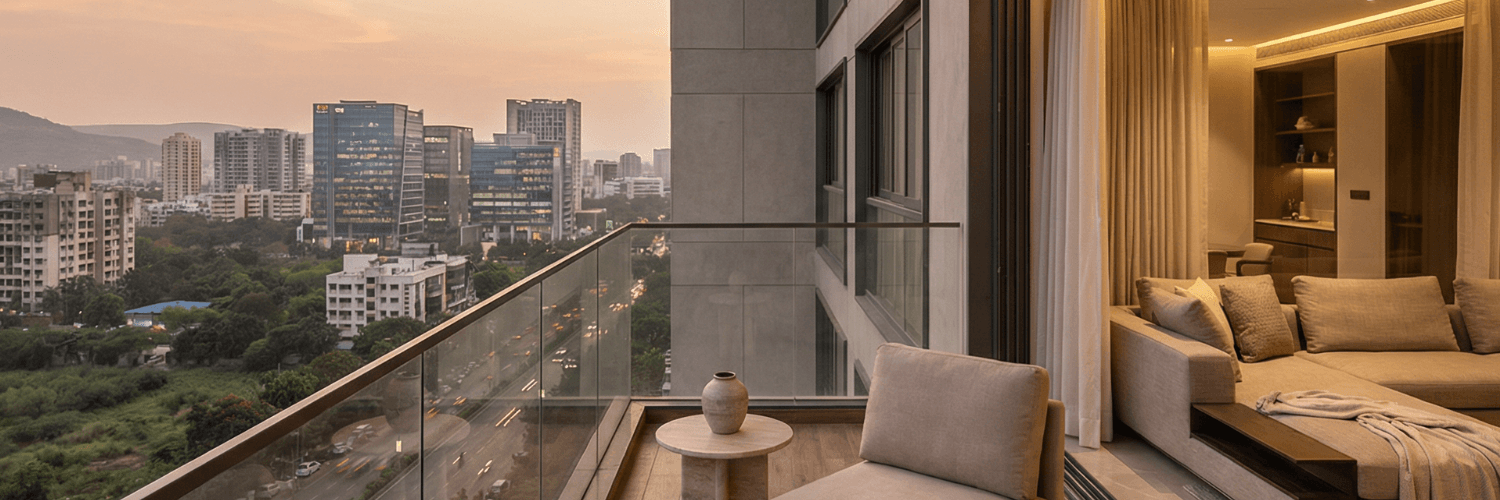

Pune has quietly moved from being “India’s easiest city to live in” to one of India’s most compelling wealth destinations for real estate. In 2025–26, the conversation among NRIs and HNIs is not just about buying a home in Pune, it is about buying into a city where demand is active, end-user depth is strong, and micro-markets are expanding with infrastructure.
This momentum shows up in hard market activity. Pune recorded 13,557 property registrations in September 2025, up 23% YoY, with ₹523 crore collected as stamp duty for the month. That kind of volume is exactly why “Best areas in Pune for NRI investment” is now a high-intent search theme, not a casual query.
Why are NRI and HNI buyers tracking Pune more closely in 2025–26?
Luxury demand is growing alongside mid-segment depth, and buyers are getting more specific. They are prioritising lifestyle-led communities, better connectivity, larger layouts, and stronger rental visibility in employment-linked corridors. Below are the key trends shaping where global investors are putting their money, and how developers like Runal fit into that picture.
1. Active demand is making Pune feel “liquid” for investors
When investors see consistent transactions, they see easier entry and exit. Beyond September’s surge, Pune recorded over 1.45 lakh registrations in the first nine months of 2025, generating ₹5,583 crore in stamp duty revenue. This activity supports confidence for NRI and HNI buyers who want assets that can be resold, upgraded, or rebalanced later.
2. “Best areas in Pune for NRI investment” are now clearly corridor-led
In 2025–26, the Best areas in Pune for NRI investment are typically anchored around:
- East Pune lifestyle zones (Kalyani Nagar, Koregaon Park, Viman Nagar, Kharadi)
- West Pune and IT-driven belts (Baner, Wakad, Hinjewadi side influence)
- PCMC growth pockets that combine value and connectivity (Ravet, areas around it)
The pattern is simple: micro-markets that balance lifestyle and commute tend to attract premium housing interest first, then rental demand follows.
3. Larger homes and lifestyle communities are gaining priority
Luxury in 2025–26 is less about “marble and chandeliers” and more about daily convenience, better layouts, and community amenities. Market commentary from Knight Frank coverage highlights strengthening demand for larger homes in Pune.
That directly ties into why NRIs and HNIs shortlist gated developments with strong planning, open spaces, and usable amenities.
4. Value-focused luxury is rising, not only ultra-premium pricing
A key insight for global investors is that Pune’s demand is still broad-based. In September 2025, homes priced up to ₹1 crore formed about 85% of registrations. For many NRIs, this is the sweet spot. They can enter with a premium-quality home, keep maintenance practical, and still benefit from appreciation and rental demand.
5. Runal’s Ravet presence aligns with investor logic, not just homebuyer emotion
For investors tracking the Best areas in Pune for NRI investment, PCMC corridors like Ravet stand out for a different reason. They can offer a strong mix of connectivity, inventory depth, and end-user demand.
This is where Runal Residential Projects become relevant in a very functional way:
- Runal Gateway Phase I is part of a larger land parcel of 7.5 acres, with Phase I in 5.25 acres, positioned as a lifestyle-led development in Ravet.
- Runal Spacio is a ready-to-move project with 213 units and a total area of 2 acres in Ravet.
For NRIs, this combination matters because it supports both use-cases: self-use during India visits, and rental deployment for steady returns when they are abroad.
6. The “best areas” question is also about rental stability
NRIs and HNIs are increasingly buying with a dual lens: lifestyle plus rental visibility. Zones linked to employment and mobility typically hold demand better through cycles. That is why the Best areas in Pune for NRI investment often overlap with corridors that have working professional depth and improving connectivity.
Conclusion
In 2025–26, Pune’s appeal to global investors is being built on measurable demand, expanding corridors, and lifestyle-first housing preferences. With registrations staying strong and buyer appetite broad-based, the Best areas in Pune for NRI investment are becoming clearer, and more strategic. Within this landscape, Runal Builders Pune and Runal Residential Projects like Runal Gateway and Runal Spacio align well with what NRI and HNI buyers typically prioritise: location logic, community planning, and long-term usability in a city that is still rising.
FAQ
Pune offers a unique combination of premium lifestyle, strong infrastructure, excellent connectivity, and long-term capital appreciation. Compared to other metropolitan cities, luxury housing in Pune provides better value for money while maintaining high growth potential, making it an attractive investment destination for NRIs and HNIs.
Premium locations such as Balewadi, Baner, Hinjewadi, Wakad, Kharadi, and PCMC are among the most sought-after destinations for luxury housing. These areas offer modern infrastructure, proximity to business hubs, upscale amenities, and strong appreciation potential.
Luxury properties in Pune benefit from increasing demand, limited premium inventory, and continuous infrastructure development. These factors contribute to higher property appreciation, strong resale value, and attractive rental yields, helping investors build long-term wealth.
Modern luxury homebuyers prioritize spacious layouts, smart home technology, premium amenities, advanced security systems, sustainable design, clubhouse facilities, and excellent connectivity. Projects that offer an elevated lifestyle experience tend to attract greater interest from NRIs and HNIs.
While Mumbai and Bengaluru remain popular real estate markets, Pune offers a balanced advantage through lower entry costs, high-quality developments, growing employment opportunities, and strong appreciation prospects. This combination makes Pune an increasingly preferred choice for luxury property investments among NRIs and HNIs.
Related Blogs

New Residential Properties in PCMC: What Homebuyer...

How Real Estate Builders in Pune Are Adapting to t...

Property Investment in Pune: How to Calculate Rent...

Commercial Property vs Office Spaces in Pune: Whic...

Top Reasons Why Builders in Pimpri Chinchwad Are A...

Upcoming Commercial Projects in PCMC: Why Business...

How Commercial Investment Projects in Pune Generat...

Office Spaces in Pune: What Businesses Should Cons...

A Homebuyer's Checklist Before Purchasing Resident...

How Builders in Pimpri Chinchwad Are Benefiting fr...