How Builders in Pimpri Chinchwad Are Benefiting from the Growth of IT Projects in Balewadi Pune
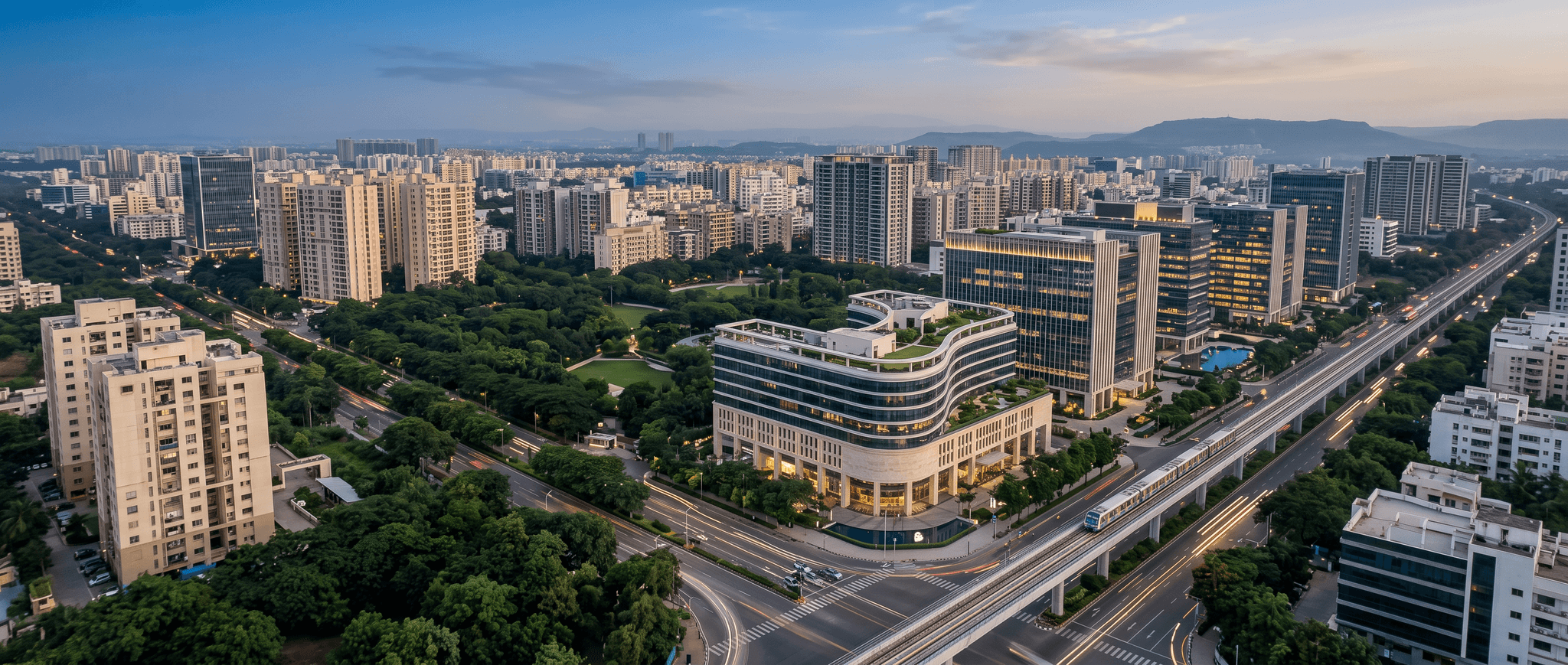

Pune’s IT‑led economic engine is reshaping real estate dynamics across the wider metropolis, creating spillover demand in areas beyond the central hubs. At the heart of this transformation is Balewadi, a locality that borders key tech corridors such as Hinjewadi IT Park and Baner. Over the past decade, Balewadi has evolved from a quiet suburb into a strong residential and commercial micro‑market, driven largely by sustained employment demand and robust infrastructure.
As IT projects in Balewadi and neighbouring zones continue to influence where people work and live, Builders in Pimpri Chinchwad, including those with residential and mixed‑use projects, are experiencing renewed interest in their developments. Pimpri‑Chinchwad’s strategic connectivity, relative value, and ongoing infrastructure upgrades have positioned it as a beneficiary of Pune’s broader growth story.
Why Balewadi’s IT Growth Matters to Pimpri Chinchwad Builders
Balewadi’s transformation isn’t isolated — it affects residential and commercial demand across western Pune and PCMC. IT professionals and corporate staff want to live near work or along well‑connected corridors. This creates demand that extends beyond Balewadi’s boundaries — especially to Pimpri Chinchwad, where accessibility meets affordability.
Key Ways Builders in Pimpri Chinchwad Are Benefiting
1. Rising Demand from IT‑Linked Buyers
Balewadi’s proximity to major tech hubs like Hinjewadi draws professionals who require convenient residential options. With Balewadi’s real estate showing steady price appreciation, ranging between ₹8,404 and ₹12,567 per sq ft, it’s clear that demand is strong.
Builders in Pimpri Chinchwad benefit because:
- IT professionals priced out of Balewadi and Wakad look for homes in PCMC zones such as Wakad (PCMC side), Thergaon, and Akurdi
- These buyers prioritize connectivity and access to employment corridors
- Projects in these localities often present better value per square foot compared with Balewadi while retaining commute advantage
This creates a wave of demand that keeps residential inventories moving.
2. Value‑Driven Residential Appeal
Pimpri Chinchwad has a clear value advantage compared to many Western Pune nodes. According to market data, prices in PCMC micro‑markets like Chinchwad and Nigdi typically run 20–35 % below comparable Pune (PMC) localities, making them more accessible to tech professionals and middle‑income buyers.
This price difference translates into:
- Higher absolute square footage for the same budget
- Better uptake of residential units from first‑time buyers
- Greater absorption of mid‑segment projects built by local and regional builders
For Builders in Pimpri Chinchwad, this trend directly boosts sales velocity as demand shifts outward from saturated core markets.
3. Infrastructure Catalysts Fueling Broader Growth
Balewadi’s rise is complemented by big‑ticket infrastructure initiatives, including expanded metro connectivity across Pune and PCMC. Metro Line 3’s progress is seen as a significant property value driver — a pattern seen in metro‑connected zones where prices have historically climbed up to 15–25 % after corridor completion.
As transport networks improve:
- Pimpri Chinchwad’s neighbourhoods become more commute‑friendly
- Property interest from Balewadi‑linked buyers grows further
- Builders gain confidence to launch and price projects competitively
This synergy between infrastructure and employment demand strengthens long‑term fundamentals for investment and development.
4. Rental Demand Stability
Balewadi’s growth brings a stable tenant base, many of whom are tech workers seeking quality residences close to work. While Balewadi itself commands premium rents, PCMC areas like Wakad (PCMC side), Thergaon, and Nigdi see steady rental demand because:
- They offer lower rents relative to core Pune
- They remain conveniently connected to tech corridors
- Professionals prefer living along transit routes and employment clusters
For builders and investors, this translates to:
- Stronger rental occupancies
- Consistent rental yields in PCMC markets
- Increased resale interest when tenants convert to homeowners
5. Broader Market Appreciation Trends
Across Pune and PCMC, real estate appreciation reflects underlying demand dynamics. For example, Balewadi recorded year‑on‑year price increases of approximately 7.2 %, signalling resilience and investor interest.
This appreciation supports:
- A halo effect on nearby micro‑markets
- Secondary demand from value‑seeking buyers into Pimpri Chinchwad
- Enhanced confidence among Builders in Pimpri Chinchwad to launch contemporary projects
In concert with Balewadi’s growth trajectory, these trends help sustain positive investor sentiment across wider western Pune.
Runal’s Strategic Position in the PCMC–Pune Growth Equation
Real estate developers who have mapped this growth can capitalize on both ends of the demand spectrum. For instance, Runal Group — with 33+ years of expertise, 26 projects completed independently, over 3 million sq ft developed, and 3 commercial developments ongoing, operates in markets that are within reach of both centralized tech hubs like Balewadi and value‑oriented buyers in Pimpri Chinchwad.
Projects such as Runal Spacio and Runal Gateway remain relevant due to their connectivity, planning, and continued interest from buyers who work across Pune’s job clusters.
Conclusion: A Symbiotic Growth Story
The expansion of IT projects in Balewadi Pune generates demand that stretches into neighbouring corridors, particularly Pimpri Chinchwad, where builders continue to benefit from price advantages, improved connectivity, and sustained buyer interest. With supportive infrastructure and evolving market preferences, PCMC stands as a valuable beneficiary of Pune’s tech‑driven real estate transformation.
For builders and investors alike, understanding and aligning with these demand linkages, from Balewadi to Pimpri Chinchwad, is key to shaping projects that resonate with long‑term growth, lifestyle aspirations, and strategic value in one of India’s most dynamic real estate markets.
FAQ
The expansion of IT projects in Balewadi has increased housing demand from professionals working in nearby tech hubs like Hinjewadi and Baner. Many buyers choose Pimpri Chinchwad due to its better affordability, excellent connectivity, and modern residential developments, benefiting local builders.
Pimpri Chinchwad offers comparatively lower property prices, larger living spaces, and convenient access to major employment hubs. Improved road networks and metro connectivity also make it an attractive location for working professionals.
Localities such as Wakad (PCMC), Thergaon, Akurdi, Chinchwad, Nigdi, and nearby residential zones are popular because they provide easy access to Balewadi, Baner, and Hinjewadi while offering competitive property prices.
Infrastructure projects such as metro expansion, road upgrades, and improved public transport reduce commute times and increase property demand. These developments enhance the long-term value of residential projects and attract both homebuyers and investors.
Yes. With continuous IT sector expansion, strong infrastructure development, increasing rental demand, and relatively affordable property prices, Pimpri Chinchwad offers excellent long-term investment potential for both end-users and investors.
Related Blogs

Commercial Property vs Office Spaces in Pune: Whic...

Top Reasons Why Builders in Pimpri Chinchwad Are A...

Upcoming Commercial Projects in PCMC: Why Business...

How Commercial Investment Projects in Pune Generat...

Office Spaces in Pune: What Businesses Should Cons...

A Homebuyer's Checklist Before Purchasing Resident...

How Builders in Pimpri Chinchwad Are Benefiting fr...

Best Commercial Investment Projects in Pune for Lo...

Commercial Property in Pune: Tax Benefits Every Bu...

Upcoming Commercial Projects in Pune: Best Locatio...